Tree Trimming and Removal: What's Involved in the Process?
Tree Trimming and Removal: What's Involved in the Process?
Blog Article
Ensuring a safe and healthy setting around residential and commercial properties often copyrights on tree removal. Trees can enhance the beauty of an area, but they may also become a risk if they aren’t managed well. When trees suffer from disease, encounter storm damage, or grow too large, tree removal becomes necessary. Using a professional tree service can help ensure that this process is executed safely and effectively. With numerous service choices available, comprehending the importance of tree removal services is critical for achieving a secure and visually appealing landscape at the official site.Steps to Remove a Tree Safely
tree removal
Understanding Tree Removal Services
Tree removal involves the complete extraction of a tree from its location, typically including the root ball. This process can become necessary if the tree is dead, poses a danger to structures, or interferes with power lines or walkways. Professional tree services manage these operations to ensure minimal disruption to the surrounding environment. Techniques vary based on the tree's size, location, and the proximity to buildings or other trees. For complex and large trees, equipment such as cranes might be necessary. It’s essential to hire certified professionals who adhere to safety regulations and can handle all aspects of tree removal.
Evaluating the Need for Tree Removal
Recognizing when a tree needs to be removed is crucial for property safety. Signs include visible decay, falling branches, or a leaning trunk. Additionally, trees that block sunlight or grow too close to structures may require removal to maintain the landscape's health. Professionals in the field offer a range of services that can help determine the tree's viability and whether removal is justified. Engaging with services like tree trimming removal service can provide insights into assessing a tree's condition and making informed decisions.
The Tree Removal Process
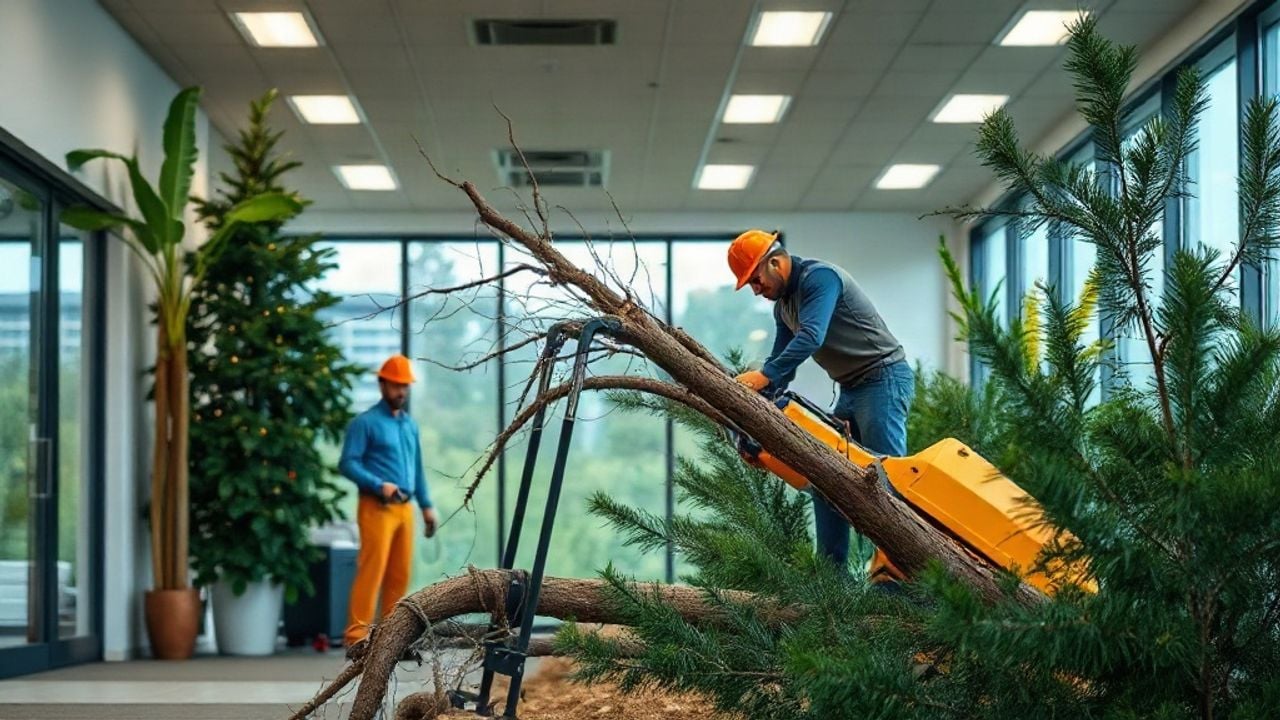
The tree removal process generally involves several steps, starting with a thorough inspection by a tree care professional. They will assess the tree's condition and its impact on surrounding structures. Next, they’ll devise a plan tailored to the tree's specific situation. Removal typically requires equipment such as chainsaws, ropes, and sometimes a stump grinder to handle the roots. The actual removal occurs in stages: branches are cut down first, followed by removing the trunk in manageable sections. Finally, the roots are extracted, which may involve stump grinding to ensure the area is clear for future planting or landscape design. Following the removal, it’s essential to consider what to do with the stump. Services like stump grinding will allow you to reclaim the area without the worry of hazardous leftover stubs.
Cost Factors for Tree Removal
Understanding the costs associated with tree removal is critical for property owners. Various factors contribute to the overall expense, including tree height, trunk diameter, and the tree’s location. Trees that are harder to access or located near structures may incur additional charges. On average, tree removal costs can range significantly depending on these variables, with estimates often provided by tree service companies. Always compare quotes from different providers to ensure you receive competitive pricing while still getting quality service.
Many tree services provide tailored solutions to meet varying budgetary constraints, ensuring you have options no matter your financial situation. For a broader understanding of tree care costs, you can visit related resources like tree removal.
 Summit Tree Servicesemergency tree service near me
Frequently asked questions
What is tree removal?
Tree removal is the process of completely extracting a tree and its root system from a designated area, typically due to safety, aesthetic, or health reasons.
How do I choose a tree removal provider?
Choose a provider by checking credentials, reviews, and insurance coverage. Get multiple quotes and ensure they offer comprehensive services including tree trimming and stump grinding.
How much does tree removal cost?
Tree removal costs vary based on tree size, location, and condition. On average, you can expect to pay between $200 to $2,000; it’s advisable to obtain estimates based on specific circumstances.
What happens to the stump after removal?
After removal, the stump can be left, ground down, or removed entirely. Stump grinding is preferred for aesthetics and prevents pest infestation.
Are there environmental considerations when removing trees?
Yes, it’s critical to consider the impact on local wildlife and the ecosystem. Some trees may harbor nesting birds or other wildlife, requiring careful planning and timing for removal.
Gaining insight into tree removal and the associated services empowers homeowners to effectively care for their yards. By hiring experts, property owners can guarantee that trees are taken down with the least amount of disruption possible.
Consistent tree maintenance and attentiveness to the health of the landscape improve safety and help avert future removals, fostering a robust environment.
When considering tree removal, prioritize evidence of results, straightforward reporting, and alignment with your market and timeline. Ambiguous assurances lacking a measurement strategy should raise red flags.
Inquire about how progress is monitored, what services are included or optional, and how the provider modifies strategies when rankings or traffic slow down. A written agreement before payment safeguards the interests of both parties.